Emotional Abuse: Here’s what you need to know
Learn more about what forms emotional abuse can take, and how to access support.
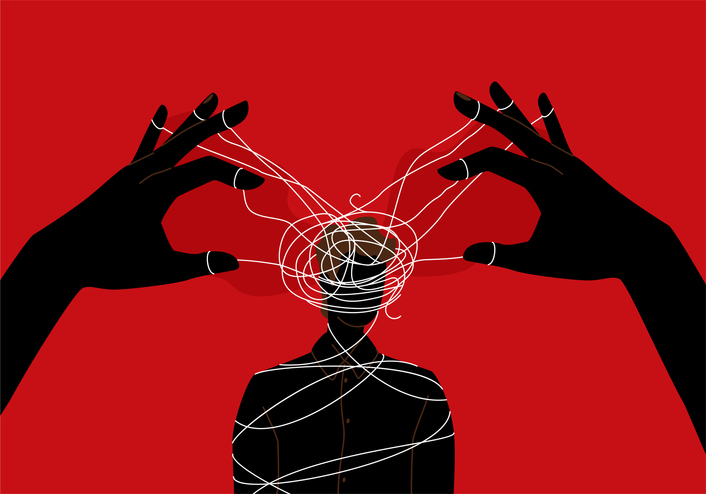
Emotional abuse is when a person is repeatedly treated badly either emotionally or psychologically. This kind of treatment can damage your self-esteem or make you feel worthless or unloved. It can be very frightening and can affect you long after the abuse has stopped happening.
Threats, teasing, bullying, humiliation, controlling behaviour, name-calling or intimidation can all be considered emotional abuse, to give examples. Undermining someone’s self-worth or self-esteem consistently also counts as emotional abuse.
Emotional abuse can take a variety of forms, including things not described in this article. Someone can be emotionally abusive even if they don’t mean to be, or aren’t aware they are doing so.
What is emotional abuse?
Emotional abuse can happen in many different kinds of relationships. This includes romantic relationships, friendships and in parent-child or sibling relationships. It can look different depending on the context.
Below are some examples of what emotional abuse can look like:
- Persistent criticism, sarcasm or hostility
- Bullying in various forms
- Isolating a person from their other loved ones, including friends and family
- Extreme overprotectiveness or controlling behaviour
- Verbal abuse and name-calling
- Death threats or threatening to kill themselves to manipulate the person being abused
- Making it hard for a person to sleep (sleep deprivation) as a tactic of abuse
- Stalking or monitoring a person either physically and/or online, including looking through a person’s phone or devices without their consent
- Stealing and/or destroying a person’s property or belongings
Emotional abuse in children
Some forms of emotional abuse are more typically associated with children. Emotional abuse can happen when a parent or caregiver is, for whatever reason, unaware of and unable or unwilling to support a child’s emotional and developmental needs.
Some signs of emotional abuse specific to children include:
- Continuous lack of praise and encouragement
- Lack of loving behaviour or affection
- Persistent criticism, sarcasm, hostility or blaming of the child
- An inconsistent lifestyle, such as frequent moves, especially when these moves are planned
- Conditional parenting, where care or affection of a child depends on the child’s behaviours or actions
- Inappropriate non-physical punishment (such as locking a child in the bedroom)
- Ongoing family conflicts and family violence
- Inappropriate expectations of a child relative to their age and stage of development
- Emotional abuse can also happen when a parent puts a lot of pressure on a child. This could be extreme academic pressure, or pressure to take on duties and responsibilities that should only be given to adults (sometimes called “parentification”)
Emotional abuse in romantic relationships
The most common form of abuse in young people’s relationships, including friendships and romantic relationships, is emotional abuse. In the romantic context, emotional abuse happens when a partner shows a lot of controlling or manipulative behaviour towards their partner or ex-partner.
Some signs of emotional abuse specific to romantic relationships include:
- Controlling a person’s social media accounts or forbidding them from having an account
- Threatening to reveal residency and visa status to authorities, in the case of those not legally living in Ireland
- Preventing someone from seeking family planning advice and access to medical treatment
- Blaming and humiliation
- Controlling, intimidating, and threatening behaviours
- Verbal abuse, or using words to hurt, threaten or belittle someone
- Cutting someone off from friends, family, and support networks
- Denying someone access to a shared home
- Demanding to know where you are and who you are with the time
- Deliberately silencing a person or ignoring them
- Shouting, cursing, or invading someone’s space
- Denying someone the right to hold certain beliefs or practise their religion
- Threats to hurt themselves or you
- Gaslighting or manipulating someone into doubting their own thoughts, feelings, or perceptions
- Love-bombing or overwhelming someone with lots of attention and affection as a way of manipulating them
What can I do if I’m being emotionally abused?
If you are being emotionally abused, know that this is not your fault. Recognise that this behaviour is emotional abuse, and that it is unfair and unjustified. There is no excuse for emotional abuse, and no one ever deserves to be treated that way.
Though it is easier said than done, try not to believe what the abuser says about you and recognise that this is projection of their own issues, not a reflection of you.
If you think you are being emotionally abused, or that someone you know is, the first step is to talk to someone you trust. This could be a teacher, youth worker, doctor or coach, or maybe another family member or a friend. You should let them know about your concerns. You could also contact Gardaí to report your abuser.
There are specific organisations devoted to helping those experiencing domestic violence or abuse within a romantic relationship. Women’s Aid runs the Too Into You project to teach young people, in particular young women, aged 18-25 about intimate relationship abuse. Too Into You provides information on and support for intimate relationship abuse. They provide an instant messaging support service for anyone worried about their own relationship or a friend’s relationship.
If a child or young person is being abused
If you, or the person concerned, is under the age of 18, you can contact your local Tusla duty social worker to report the case of abuse. Alternatively, if you’ve already discussed the situation with someone else (e.g., a teacher, healthcare worker, community worker), you can ask that person to report the abuse to Tusla on your behalf.
For additional emotional support, you can also contact your local Barnardos service centre. Barnardos deliver services and work with families, communities, and partners to transform the lives of vulnerable children who are affected by adverse childhood experiences. The organisation offers a wide range of supports and programmes to children and young people aged 0–18, through services and projects throughout the country.
In some cases, the person abusing you may threaten to harm you if you tell anyone what’s happening. This is a way of frightening you into silence. If you tell the Gardaí or social worker, they can help to make arrangements that you and other family members are safe from harm.
Who can I talk to?
If you are experiencing emotional or psychological abuse, there are a number of different organisations you can turn to for support. Opening up about your mental health can be difficult and scary, especially if you haven’t done it before. For many people, however, talking to someone can be a really important step. Even after the abuse has stopped, you might have emotional or self-confidence problems. It is important to give yourself the time and space to start your mental health recovery to help you heal from your experiences.
Finding help for emotional/psychological abuse
There are a range of support services available to people experiencing emotional or psychological abuse. Some of these include:
- At toointoyou.ie young people can find information and support for emotional abuse through the chat support service which is free and confidential
- Women’s Aid runs a free 24-hour National Freephone helpline for anyone who wants to talk in confidence about abuse in their relationship or someone you know. Their helpline is available on 1800 341 900. They also offer a telephone interpretation service in over 240 languages, and an instant messaging service
- Safe Ireland supports 37 domestic abuse services located in towns across Ireland. Their services provide emotional support, counselling and advice, helping women and children to find safe accommodation, supporting them to access courts and make applications for domestic violence protection orders. Find your nearest service on the Safe Ireland website
- Men’s Aid supports male victims of domestic abuse and/or coercive control. They run a national helpline on 01 554 3811, Monday to Friday 9am to 5pm
- The Men’s Development Network operates the National Male Advice Line on 1800 816 588 for men experiencing or who have experienced domestic violence. This service operates on Monday and Wednesday from 10am – 8pm, Tuesday and Thursday from 12pm – 8pm and Friday to Sunday and public holidays from 2pm – 6pm
- The Legal Aid Board can help you if you cannot afford to pay a solicitor privately. Legal aid provides legal advice and representation in court and with getting access to protection orders for you. Details of their local offices can be found on their website or by contacting their helpline on 0818 615 200
- Childline offers a helpline and online support, offering advice and support to people under 18 years of age, available 24/7. Contact them on 1800 66 66 66
Feeling overwhelmed and want to talk to someone?
- Get anonymous support 24/7 with our text message support service
- Connect with a trained volunteer who will listen to you, and help you to move forward feeling better
- Whatsapp us now or free-text SPUNOUT to 50808 to begin.
- Find out more about our text message support service
If you are a customer of the 48 or An Post network or cannot get through using the ‘50808’ short code please text HELLO to 086 1800 280 (standard message rates may apply). Some smaller networks do not support short codes like ‘50808’.
Related articles

- Abuse
- Factsheet
What are the different types of abuse?
Written by: spunout
Find out more about the types of abuse and where to turn for help.

The subtle signs of an abusive relationship
Written by: Jessie Newsome
Emotional and psychological abuse can sometimes be difficult to see, but it's important to recognise the signs

- Abuse
- Factsheet
Knowing the signs of neglect
Written by: spunout
Neglect can be difficult to identify, but there are a number of signs you can look out for.
Our work is supported by