Anorexia: The signs, symptoms and treatment
Anorexia is an eating disorder that can affect people of any gender, age, sexual orientation, body type or ethnicity. With the right help and support, people with anorexia can and do recover.
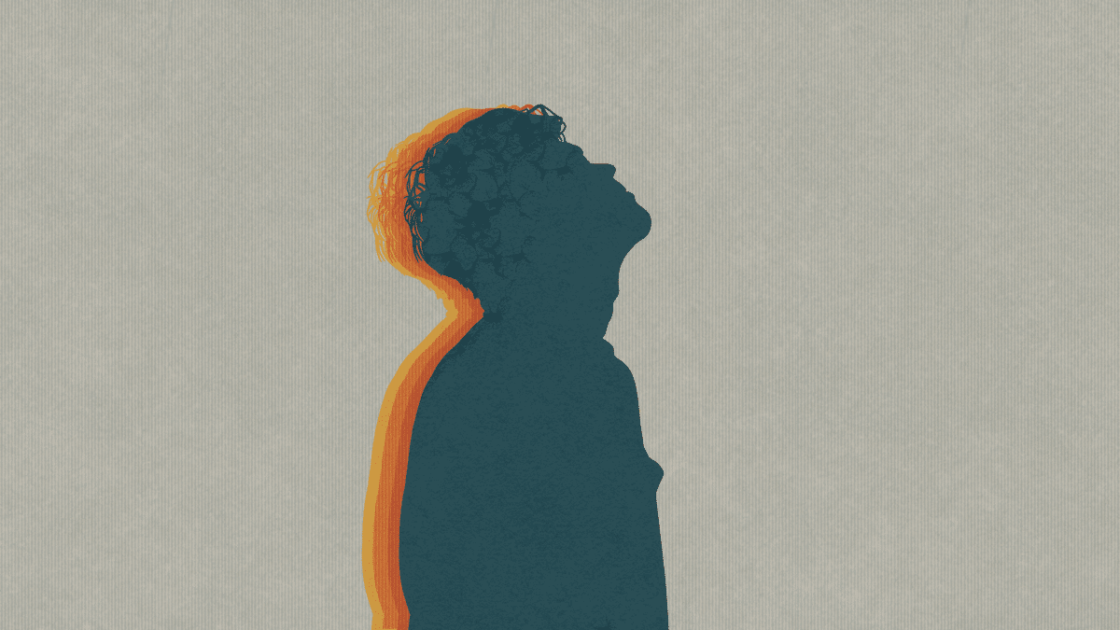
Anorexia Nervosa, often referred to as anorexia, is a mental health condition that causes changes in a person’s relationship with food and eating habits. For people with anorexia nervosa, the idea of gaining weight can make them feel extremely anxious or frightened. This can cause them to try to keep their weight as low as possible. Usually, a person does this by limiting what they eat and exercising too much. This can eventually lead the person to develop compulsive eating and exercise-related behaviours. Anorexia nervosa has a significant negative impact on a person’s physical, emotional and mental health.
Anorexia nervosa is a type of eating disorder. Media often represents anorexia nervosa as a condition affecting young women exclusively. However, people of any age or gender identity can develop the condition. The symptoms of anorexia nervosa most commonly develop during teenage years, but they can begin at any age.
People of any body shape and size can develop anorexia nervosa. However, research indicates that individuals who do not fit the stereotype or who are in larger bodies are less likely to receive a diagnosis. Some people may be diagnosed with atypical anorexia nervosa. In atypical anorexia nervosa, a person experiences all the same symptoms of typical anorexia nervosa, except they are not underweight.
Why do people develop anorexia?
It is not always clear why someone develops anorexia nervosa. The exact causes can vary from person to person. Worries about body image can often play a significant role, leading to the myth that the condition is all about food and body size. However, the root causes are usually far more complex, involving a range of biological, social, emotional and psychological factors. Visible differences in eating behaviours are often just the external expression of an internal emotional struggle.
Mental health difficulties like anxiety and low self-esteem, a family history of eating disorders, addiction, or traumatic experiences like sexual abuse are all associated with developing anorexia. To better understand how anorexia affects a person, it can be helpful to think of it as a coping mechanism. People with the condition often control food and their body to manage emotional distress. This can help them feel in control when something else in their life is making them feel out of control or unsafe. Recognising this can make it easier to understand why someone might not be able to stop restricting food without support.
Signs and symptoms of anorexia
Anorexia is a mental health condition characterised by symptoms in three main areas:
- People with anorexia restrict their food intake which, over time, can cause them to become underweight
- People with anorexia have a fear of gaining weight or becoming bigger
- People with anorexia often perceive their body shape or weight in a distorted way. They often spend a lot of time thinking about their body shape and size
Not everyone who experiences anorexia nervosa will have the exact same profile of symptoms. Different symptoms can emerge as the condition develops over time. Untreated anorexia can cause physical symptoms and life-threatening medical complications over time. Because some symptoms of anorexia don’t develop straight away, reaching out for help and support is important, even if you aren’t currently experiencing physical symptoms or complications.
Like all eating disorders, anorexia nervosa begins in the brain, and affects how you think and feel. Emotional distress does not have to be accompanied by physical complications to justify care and support. Below is a list of common signs and symptoms of anorexia nervosa. This list doesn’t capture all the signs and symptoms associated with anorexia, as each individual’s experience with anorexia is different.
Your behaviour when dealing with anorexia
- Missing meals and limiting what you eat and how often you eat
- Weighing yourself all the time
- Not being truthful about when you’ve eaten and what your weight is
- Exercising too much
- Purging food by vomiting or misusing medications such as laxatives or diuretics
- Obsessively thinking about food and how much you’ve eaten
- Avoiding meals with other people
- Keeping strict rituals around the meals you eat
- Secretly getting rid of food
- Having a fear of gaining weight
- Seeing your weight loss as a good thing
- Not recognising the seriousness of your weight loss
Psychological symptoms of anorexia
- Low self-esteem
- Feeling irritable and having mood swings
- Feelings of guilt or shame
- Being preoccupied with food and calories
- Anxiety and low mood
- You might withdraw from friends and family and end up socially isolated
- Struggling with your body image and believing your body looks different to how others might see it
- Depression may set in and you might develop obsessive and/or compulsive thoughts and behaviour
- Marked change in personality
Physical symptoms of anorexia
- Your weight is lower than what is considered healthy for your age and height
- Being overly active and spending too much time exercising
- Feeling tired after minimal effort
- Feeling dizzy or having brain fog
- Poor circulation, causing you to feel cold
- Your stomach is bloated and retaining fluid
- You might also have constipation and abdominal pain
- Your hair is dry and thinning, while your skin is dry and off-colour
- Fine, downy hair may start growing on your face and body because your system is trying to keep warm
- If you get periods, these can change, become irregular, or stop entirely
- Loss of interest in sex
Complications of anorexia
Anorexia can lead to malnutrition if the person is starving themselves or trying to eat as little as possible. This causes your body to slow down bodily processes because it doesn’t have enough energy to fuel them. Experiencing physical complications can be frightening, but many of these issues can be reversed and improved with appropriate treatment. Some of the complications that can arise with anorexia include:
- Malnutrition
- Weak or tired muscles and problems with the bones in the body
- Fertility issues
- Heart problems
- Stomach or digestive problems like acid reflux and stomach pain, diarrhea, bloating, and constipation
- Skin problems
- Hair loss
- Issues with the brain and your nerves, for example, having trouble focusing or forgetting things
- Dehydration and kidney or bowel issues
- Having problems sleeping
- Anaemia (low levels of red blood cells, causing you to feel weak or tired)
- Bloated stomach and fluid retention
- A weakened immune system, making it harder to fight off sickness
- In extreme cases, anorexia can cause death due to heart failure
Anorexia nervosa can be a life-threatening condition. It is important to seek treatment if you think you or someone you care about may have anorexia nervosa.
Treatment for anorexia
If you suspect you’re experiencing some of the symptoms listed above, you might be tempted to ignore them or try to avoid the subject. However, it’s important to recognise that you deserve to reach out for help and support. No matter how hard it may seem, it is possible to make a recovery.
Recovery is not always linear and setbacks are common. Everyone’s recovery journey is different and it may take time, but you can recover from anorexia nervosa.
Getting help for anorexia
If you think you may have anorexia nervosa, going to your GP as soon as you can and letting them know what’s going on is an important first step. They will be able to point you in the right direction to get the best treatment for your needs. Sometimes the idea of speaking to your GP about eating concerns can be daunting. If you feel like you’re not ready to take that step just yet, consider calling the Bodywhys helpline. Their helpline, delivered by a team of trained volunteers, is open to anyone. The helpline offers non-judgemental and confidential support and information about eating disorders.
If you are worried about a friend or family member, talk to them and encourage them to see their GP. You can also offer to go with them if they don’t want to go alone.
Trying to recover from anorexia nervosa, or any eating disorder, by yourself can be really isolating and hard. Reaching out for support from professionals, family, and friends can make all the difference and help to get you through.
How treatment works
Because there is such a diverse range of symptoms associated with anorexia nervosa, the types of treatment you receive can depend on your situation. In general, the treatment will help you address the behaviours that are affecting your food intake and body size. It will also help you work on the thoughts, feelings and experiences that are driving these behaviours.
Getting treatment that is evidence-based and specialised for eating disorders makes a substantial difference to a person’s recovery and quality of life. Most people benefit from a combination of talk therapy and nutritional support. Talk therapy can help with the psychological side of anorexia nervosa, while nutritional support promotes recovery of a person’s physical health.
Talking therapy and family therapy
Talking therapy or group therapy is usually a part of treatment for anorexia nervosa. Some people will take part in individual talk therapy, while others (especially young people) might engage in family-based treatment (FBT). FBT is a type of systemic family therapy. The aim of talk therapy is to help you understand the root causes of your eating disorder. It can help you work towards developing a more comfortable relationship with food.
Many professionals use an adapted form of Cognitive Behavioural Therapy (CBT), called CBT-E, to support people in their recovery from anorexia nervosa. CBT-E incorporates strategies that specifically address eating disorders and their core symptoms.
CBT-E looks at the ways that our thoughts affect our behaviours and feelings. Through CBT-E, you may:
- Develop strategies for building self-awareness
- Identify triggers
- Create helpful routines
- Manage compulsive thoughts and unhelpful behaviours
If you are under the age of 18, you may take part in family-based treatment (FBT). FBT will explore how anorexia nervosa has impacted you and focus on ways your family can support your recovery.
In-patient treatment
It is often possible to stay at home during treatment. However, in some cases, someone may develop serious physical symptoms associated with low weight and malnutrition. Under these circumstances, they may need in-patient treatment in a hospital where specially trained health professionals give them the care they need during their recovery journey. When a person is at an extremely low weight, restoring weight should be monitored by doctors and dietitians to make sure the refeeding process is managed safely.
In some cases, a period of inpatient mental health treatment may also be recommended. This can help support weight restoration and ensures that all the required medical specialists are overseeing in the recovery process. Read more about a person’s right when receiving mental health inpatient treatment.
Other sources of support for anorexia
You can reach out to Bodywhys for advice or information on anorexia nervosa. Bodywhys is the Eating Disorders Association of Ireland and provides confidential support, information and understanding to those affected by eating disorders. You do not need a diagnosis to talk to Bodywhys.
How friends and family can help
Setting out on a recovery journey can be daunting, but you don’t have to do it alone. It can be easier to recover from anorexia nervosa when the people around you take the time to learn about how the condition impacts you and how they can show understanding and support. If you found the information in this article helpful, consider sharing it with some of the people in your life.
Feeling overwhelmed and want to talk to someone?
- Get anonymous support 24/7 with our text message support service
- Connect with a trained volunteer who will listen to you, and help you to move forward feeling better
- Whatsapp us now or free-text SPUNOUT to 50808 to begin.
- Find out more about our text message support service
If you are a customer of the 48 or An Post network or cannot get through using the ‘50808’ short code please text HELLO to 086 1800 280 (standard message rates may apply). Some smaller networks do not support short codes like ‘50808’.
Related articles
- Eating Disorders
- Factsheet
What is an eating disorder?
Written by: spunout
Eating disorders are complex mental health conditions that can affect people of any gender, age, sexual orientation, body size or ethnicity.

How I started my recovery from anorexia
Written by: Joyce Reilly
Joyce shares her story of living with anorexia and looks back on her recovery

How exam stress can effect eating disorders
Written by: Daniel Waugh
Daniel shares this thoughts on how exam stress can affect eating habits.
Our work is supported by