
Why do I get thrush and how can I treat it?
Thrush is a very common yeast infection
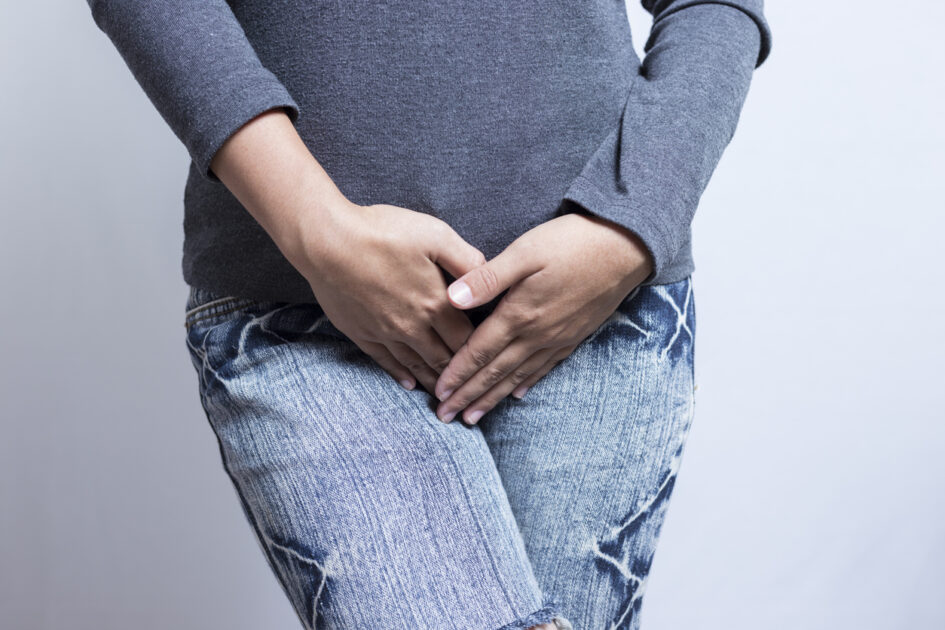
Thrush (also called a yeast infection) can cause an itch and vaginal discharge. It is caused by the sudden growth of yeast in the body. It's natural to find yeast in moist parts of the body (like the vagina or mouth), but when the yeast grows too rapidly it can cause thrush.
This is a very common infection with 75% of women and trans men with a vagina suffering from a thrush infection at some point in life.
Why do I get thrush?
There are some things that make an attack of thrush more likely:
- Stress or general ill health such as anaemia or tiredness can leave you more at risk of suffering from thrush
- Hormonal changes when taking some types of contraceptive pills and during pregnancy can encourage attacks of thrush
- Taking antibiotics can kill the friendly bacteria, which normally prevent too much yeast growing in the vagina. If you're on a course of antibiotics, you are more at risk of getting thrush.
Symptoms of thrush
Some of the common symptoms of thrush include:
- A thick, cheesy, white vaginal discharge (liquid)
- Burning or itching sensations or redness and soreness around the vagina
- A burning feeling when peeing
- Pain or discomfort during sex
- Swelling of the vulva (the lips of a woman's genital area)
Treatment and prevention for thrush
There are a number of different ways to relieve and treat thrush. You can try a few of these things to see if your symptoms improve.
Creams and pessaries
Talk to your pharmacist about the different sorts of creams and pessaries (tablets you insert into the vagina) available, and what might suit you best. This can bring relief and treat the infection.
Probiotic yoghurts
Probiotic yoghurts also contain good bacteria and are readily available in most supermarkets. Many people eat probiotic yoghurts as a way of relieving symptoms.
Wear loose clothing
Avoid tights and tight fitting clothes while you are being treated for thrush, as the friction can cause more irritation, and the area needs more room to breathe.
Changing your diet
Eliminate or reduce sugar, bread and yeast products (such as alcohol and fermented products) from your diet. Yeast thrives on these and can encourage thrush.
Build up the immune system by following a balanced diet with plenty of fruit and vegetables.
Supplements after antibiotics
Lactobacteria supplements such as acidophilus (available in most pharmacies and health food shops) encourage the growth of friendly bacteria. Taking them during and after a course of antibiotics is one of the best ways of preventing thrush.
Washing and drying the area
Try washing in warm, salty water to soothe the area and avoid using soaps, shower gels or bubble baths around the vaginal area.
Keep the vaginal area clean and dry. Make sure it's completely dry after washing and never hang around in wet or damp clothes like bikinis or swimsuits.
Watch your toilet habits
Avoid bad hygiene habits when going to the toilet. Always wipe from front to back to stop yeast in the anus (bum) getting into your vagina.
Pads and tampons
Change tampons and sanitary pads regularly. Don't use perfumed sanitary pads.
Your parnter
If you have a partner, they should be treated for thrush at the same time.
When to see a doctor
If symptoms persist, make sure to see a doctor for a full check-up.
Only take antibiotics prescribed for you by your doctor. If multiple courses are prescribed, ask your doctor if they are really necessary.
If you follow proper treatment, thrush will probably be gone within two weeks. If you don't get treatment, the problem can continue for years.
If you suffer from diabetes, the higher sugar content of your blood can encourage the growth of yeast. Talk to your doctor about keeping your blood sugar levels as well controlled as possible.
Related articles
- General
- Factsheet
Do I need health insurance in Ireland?
Written by: spunout
Find out how the Irish healthcare system works, and what you need to know if you're considering private health insurance

- General
- Factsheet
What to do if you have symptoms of COVID-19
Written by: spunout
If you experience any symptoms of COVID-19, it's important to self-isolate to avoid spreading the virus to others.

- General
- Factsheet
How to talk to your family about the COVID-19 vaccine
Written by: spunout
When having discussions about COVID-19 vaccination, respect, empathy and patience are key.
Our work is supported by