
Cystitis: Symptoms, treatment and prevention
This is a common infection that can cause a lot of discomfort
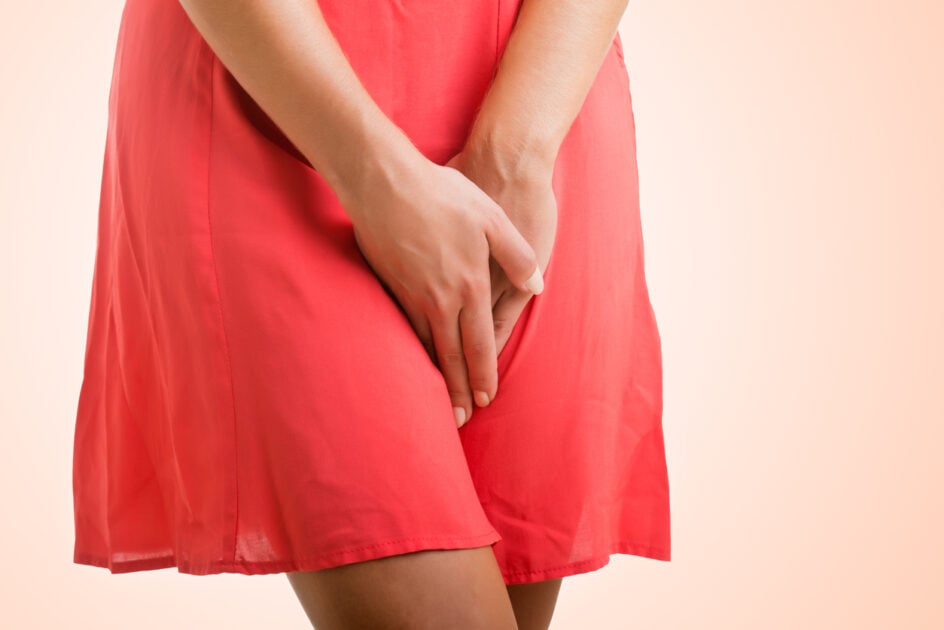
Cystitis is a very common infection of the bladder or urinary system that causes a burning feeling or discomfort when you pee. It affects up to 80% of women and trans men at some point in their lives, so everyone should know what it is and how to relieve the symptoms.
What causes cystitis?
Cystitis starts when bacteria enters the body through the urethra (a short tube that carries pee from the bladder to outside the body). Women are much more likely to suffer from cystitis than men because this tube is shorter in a woman's body than in a man's.
There are a number of different ways a person could get cystitis
Sexual activity
Friction during sex can cause damage and irritation to the urethra tube. Cystitis can sometimes be sexually transmitted.
Hygiene habits
Bad hygiene habits when going to the toilet can cause bacteria to spread from the bum to the vagina and then into the urethra and bladder.
Always wipe from front to back to avoid this.
Clothing choices
Tight trousers or nylon underwear irritating the skin. If you suffer from cystitis, stick to cotton knickers and baggy trousers or skirts.
Not emptying the bladder fully
Going to the toilet in a hurry can cause pee to be left in the bladder and become infected by bacteria. Take your time and make sure to empty the bladder completely.
Symptoms of Cystitis
- A burning feeling when peeing
- The feeling of needing to pee urgently even after just going to the toilet
- Urine or pee can be cloudy, strong smelling or contain small amounts of blood
- You can suffer from back pain or lower abdominal pain (stomach pain)
- Fever or feeling generally unwell
Treatment for cystitis
Talk to your doctor for a diagnosis of the infection. Your doctor might prescribe medication or antibiotics if the infection lasts several days.
If you constantly suffer from cystitis, ask for a full check up into the cause. Your doctor can arrange for an x-ray or do tests to check what's causing the attacks.
Sometimes cystitis can spread to the kidneys and make you seriously ill, so it's important to visit the doctor if you have the symptoms of cystitis.
Home remedies for cysitis
- Drink lots of water to flush out the infection – half a pint every 20 minutes should work
- Take a level teaspoon of bicarbonate of soda (baking powder) ever hour for three hours to combat the burning feeling
- If you're in severe pain, it can help to go to bed with a hot water bottle for a few hours
How to prevent cystitis
There are a few things you can do to prevent the infection
What to do during, before, and after sex
- Use condoms during sex
- If cystitis often occurs after sex, you and your partner should both wash (just with water) before sex
- Try using lubricant to lower the risk of friction
- Pee immediately before and after having sex to flush out any dodgy bacteria
Other ways to prevent cystitis
- Always drink eight or more glasses of water a day
- Pee at least six times a day
- Try to avoid sugary drinks, alcohol and strong tea or coffee
- Drink unsweetened cranberry juice
- Wipe from front to back after going to the toilet, to prevent the spread of bacteria
- Don't use any strong soaps, creams, deodorants or powders in the vagina area, just cool water
Related articles
- General
- Factsheet
Do I need health insurance in Ireland?
Written by: spunout
Find out how the Irish healthcare system works, and what you need to know if you're considering private health insurance

- General
- Factsheet
What to do if you have symptoms of COVID-19
Written by: spunout
If you experience any symptoms of COVID-19, it's important to self-isolate to avoid spreading the virus to others.

- General
- Factsheet
How to talk to your family about the COVID-19 vaccine
Written by: spunout
When having discussions about COVID-19 vaccination, respect, empathy and patience are key.
Our work is supported by