
Do I need health insurance in Ireland?
Find out how the Irish healthcare system works, and what you need to know if you’re considering private health insurance
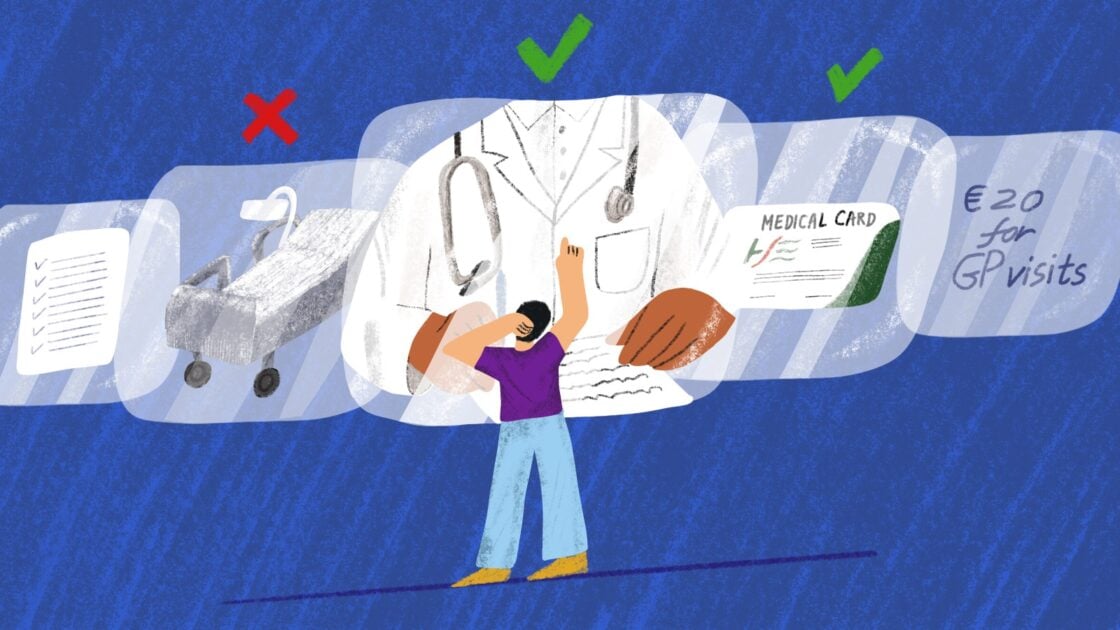
Ireland’s healthcare is divided into public services (available through the HSE) and private services. Most people in Ireland can access healthcare through the HSE, without needing private health insurance. However, many people still choose to take out a private health insurance policy.
If you’re trying to decide whether health insurance is worth it, it helps to understand how the healthcare system in Ireland works, and the difference between public and private healthcare. It will also depend on what your needs are, and what you can afford.
It is still possible to access healthcare in Ireland without paying for health insurance.
In this article:
- Is healthcare free in Ireland?
- Why do people get private health insurance?
- How much does health insurance cost
- Different types of health insurance cover
- Will health insurance cover all of my costs straight away?
- Excess – How much do I have to contribute to expenses?
- How to choose a health insurance policy
Is healthcare free in Ireland?
People who are ‘ordinarily resident’ in Ireland can access healthcare through the public system (HSE) without needing private health insurance. Being ‘ordinarily resident’ means you have lived in Ireland for at least a year, or you intend to live in Ireland for at least one year. If you are in the country for a shorter period of time, you are not eligible to use HSE services, so it’s recommended you have travel insurance. People with a European Health Insurance Card can access public healthcare services during a temporary visit or short-term stay in Ireland.
Most services available through the HSE are free, with fees for some services if you don’t have a medical card, which can allow you to access healthcare services for free. For example, non-medical card holders will need to pay a fee of €80 a night for overnight stays and inpatient day cases in public hospitals, with the maximum amount you can be charged over a 12 month period capped at €800. There is also a €100 fee for attending the outpatients department of A&E without a doctor’s referral. Those between the ages of 6-70, who do not have a medical or GP visit card, will also need to pay for their appointment with their local GP and any services they provide.
However, most services available through the HSE like seeing a specialist consultant or carrying out tests and procedures like x-rays or scopes will be free of charge if you receive a referral from your GP.
There is often a waiting list to access public healthcare services, like consultations with specialist consultants, carrying out certain tests and investigations like scopes, or having non-urgent medical procedures. This can cause delays for many patients in accessing the care they need.
Why do people get private health insurance?
Many people in Ireland choose to get private health insurance, which allows them to access healthcare through private hospitals and private clinics within public hospitals. There are a number of reasons why you might decide to get private health insurance. This could include:
- Avoiding long waiting lists to get appointments
- Being able to attend certain private hospitals and consultants
- Being prepared in the event you develop an illness or get injured
- People who do sports or lead more active lifestyles might take out health insurance in case they get injured or need to see a physiotherapist
- A requirement as part of a study visa for Ireland
There are different health insurance plans available that offer different levels of cover depending on what you need, the hospitals you want access to, and how much you can pay.
How much does health insurance cost?
The cost of health insurance depends on the age you apply and the type of cover you want. Comparing prices between different types of insurance companies for similar policies can help you to get the best deal on your health insurance. It’s important to not only look at price, but also look at what you’re getting for the amount you’re paying.
You can either make monthly payments by setting up a direct debit (with your monthly fee coming out of your account each month), or you can make an annual payment which means paying for your policy in one go. Sometimes there can be an extra charge for monthly payments, so be sure to check this before deciding which to do.
Some insurance providers give Young Adult rates, which include a discount for people between the ages of 18-25. Find out if there are any discounts available when you shop around.
It’s important to be aware that the age you are when you take out your insurance policy for the first time can determine how much you pay – it’s best to take out health insurance for the first time before you turn 35, because of something called a Lifetime Community Rating (see below). This can increase the amount you pay. Your age is only relevant if you are taking out insurance for the first time, or you have had a break in cover for more than 13 weeks.
Lifetime Community Rating
The Lifetime Community Rating (LCR) can determine how much you pay for your health insurance. With the LCR system, the amount you pay is determined by the age you were when you first took out your insurance policy.
If you take out a health insurance policy before you turn 35, you will pay lower premiums than someone who took out their health insurance when they were over 34 years of age.
For every year of age over 34, a 2% loading will apply to your gross premium (the total amount you will pay each year), which means you will have to pay 2% more for every year of age you are over 34. This loading will apply for a period of 10 years.
Can a break in cover affect how much I pay?
Try to avoid having a break in your cover of more than 13 weeks, as you will have to start over again with your health insurance cover. This will mean having to serve waiting periods all over again.
A break in cover of more than 13 weeks will only affect the cost of your insurance if it happens after you turn 35. This is because the LCR will apply and you will end up paying more.
Different types of health insurance cover
There are a number of different companies offering health insurance in Ireland. You can find out about these companies and compare plans through the Health Insurance Authority website.
The type of coverage you can receive depends on the company you take out your policy with and the plan you choose. You can choose to get inpatient hospital cover, outpatient hospital cover, or a package with both types of cover.
Inpatient hospital cover
If you are admitted to hospital, either as an overnight patient or as a day case, you are considered an ‘inpatient’. Inpatient cover will pay for some or all of the costs of your time in the hospital, including your room, and tests carried out, and any procedures or surgery.
Outpatient hospital cover
If you receive treatment that does not involve being admitted to a hospital (for example, an appointment with a consultant), you are considered an outpatient. This type of cover will help to pay some or all of the costs of your outpatient appointments.
Cash plans
Cash plans generally cover the cost of day-to-day medical care, agreeing to pay a fixed amount for certain medical appointments and treatments. This can include (but is not limited to) GP visits, dental visits, physiotherapy and medical tests like blood work etc – the things you are covered for depends on your policy.
Cash plans are different to other kinds of private medical insurance because they do not cover in-patient costs (when you are admitted to hospital overnight or as a day case for treatment). There may be a small amount you can claim for each day you are in hospital, but you will not be able to claim for the costs of the treatment you received while you were there. Keep this in mind if cover for in-patient expenses is important to you.
Public vs private hospitals
Some public hospitals have private clinics, where consultants who work in the public system can arrange appointments with private patients. These patients can then have procedures carried out in the public hospital as a private patient.
However, there are also private hospitals who only see private patients. Many of these consultants also work in public hospitals, but spend part of their week at the private hospital.
Some policies will only provide cover as a private patient in a public hospital, but will not provide cover for private hospitals.
If you want access to a specific private hospital, you will need to make sure that hospital is included with your policy. It’s best not to assume that your policy will cover you for all private hospitals – make sure you know where you can access services when you take out your policy.
Will health insurance cover all of my costs straight away?
How much you can claim from your health insurance depends on the type of policy you have. It’s important to read your policy closely and look out for things like the waiting period, excess, allowable expenses, and limits to the amounts or how often you can claim for specific services.
Waiting period
Most insurance policies will have a waiting period before you can make a claim on your policy. This waiting period is often 6 months. This means you must pay for your insurance policy for 6 months before you can make a claim. If you have any medical issues during this time, you may need to go through the public system or pay for services yourself. Once the waiting period has passed, you can begin making claims on your insurance. There are no waiting periods for accidents or injuries, so you will be covered immediately if something happens.
Some insurers have no waiting periods for day-to-day or outpatient cover, so it’s useful to look into what you are and are not covered for straight away when taking out a policy.
Waiting periods for pre-existing conditions
If you have a pre-existing condition, this waiting period may be longer. If it’s a new issue, the insurer may cover it – you will need to confirm this with the insurer before taking out your policy.
A pre-existing condition is an illness or injury that you experienced symptoms of in the six months before you took out health insurance for the first time. This policy also applies if you previously had health insurance, but you had a break in your cover for 13 weeks or more.
If you have a pre-existing condition, there will usually be a longer waiting period before you can make a claim for that condition. For many pre-existing conditions, this waiting period can be five years. This means you will have to wait until you have had five years of insurance cover (without a break longer than 13 weeks) before you can claim for that specific condition.
The sooner you take out the policy, the sooner this waiting period can begin. Once you start your cover, try to avoid having a break in your cover for longer than 13 weeks, or you will need to start the waiting period again. You can switch policies during this time without it affecting your waiting period.
Upper limits
There can often be an upper limit to the amount you can claim for a specific service in one year. For example, you may be able to claim up to €10,000 for inpatient services in one year. Make sure to find out what your upper limit is in case you have a number of repeat visits.
Upfront costs
For some appointments, you will need to pay the cost upfront and claim it back from your insurance company afterwards. For example, if it costs €150 to see a consultant, you will pay that on the day and use the receipt to claim it back on your insurance, depending on how much excess you must pay (see below).
For more expensive services like procedures or surgery, you can usually provide your health insurance details on the day and the hospital will claim directly from your insurance company. However, if you have an excess, you will need to pay this upfront and the insurance company will settle the rest. Make sure to find out if you need to pay an excess in advance of your procedure (see below).
Excess – How much do I have to contribute to expenses?
When taking out an insurance policy, you will often be asked how much you want the excess to be. The excess is the amount of money you will contribute towards the cost of your expenses before the insurance company can cover the rest.
How much excess you are willing to pay can affect your premium (the overall cost of the policy). The more excess you pay, the lower your premium will be.
Excess – Inpatient Claims
If you are an inpatient (admitted to hospital overnight or as a day case), there is usually a specified amount that you must pay directly to the hospital. This is called the ‘excess’. The insurer will settle the rest with the hospital.
Excess – Outpatient Claims
There are a number of appointments and treatments you might receive as an outpatient, which means you are not admitted to a hospital. There is usually an ‘annual excess’ for outpatient claims – this is how much you will contribute towards the cost of outpatient expenses in one year before an amount will be paid from the insurer. In some cases the excess will be €1 meaning you can claim for all eligible outpatient expenses as specified in your policy documentation.. Some plans also have what’s called an “allowable expense”, which means the insurance company will only cover part of your outpatient expenses.
With outpatient claims, you must pay for your appointment in full yourself, and you can keep the receipts to get refunded by the insurance company. If your total amount of outpatient expenses in one year is less than your annual excess, you will not get any money back. If your total amount of outpatient expenses in one year is higher than your annual excess, you will receive money back from the insurer – but the insurance company will deduct the excess from the amount they are paying back.
To work out how much you are due to get back from the insurance company, you will need to factor in both your allowable expense (if this applies) and your annual excess.
There might also be a limit to the number of times you can claim for a specific service. For example, you may only be able to claim for physiotherapy visits a maximum of 12 times a year.
Find out more about excess and outpatient claims on the Health Insurance Authority website.
How to choose a health insurance policy
When choosing a health insurance policy, ask yourself the following questions:
- What do I want insurance cover for?
- What type of treatments do I need?
- What hospitals will I have access to?
- How long is the waiting period?
- Will I have a longer waiting period because of a pre-existing condition?
- How much can I afford to pay, and what is the best coverage I can get for that price?
It can help to compare different policies to find the best price and coverage. You can use the Health Insurance Authority (HIA) comparison tool. You can also contact insurance companies directly to get a quote.
A health insurance broker may also be able to help. A broker will take note of your budget, your medical needs, and other relevant information, and find a policy that will suit you best. There is a fee for using a broker.
Need more information?
Would you like more information? Maybe you would like to talk through your own situation? Get in touch through our online chat system for 16 to 25 year olds – Monday to Friday 4pm to 8pm.
- Chat now to a trained Youth Information Officer
- Or leave us a message and we will email you back
Illustrations by Marina Marinina.
Related articles

- General
- Factsheet
What to do if you have symptoms of COVID-19
Written by: spunout
If you experience any symptoms of COVID-19, it's important to self-isolate to avoid spreading the virus to others.

- General
- Factsheet
How to talk to your family about the COVID-19 vaccine
Written by: spunout
When having discussions about COVID-19 vaccination, respect, empathy and patience are key.

- General
- Factsheet
Fertility, pregnancy and the COVID-19 vaccine
Written by: spunout
There is no evidence that COVID-19 vaccination affects fertility or pregnancy. However, the vaccine is the best way to protect yourself from the se...
Our work is supported by