Diabetes
Practical advice on living with diabetes
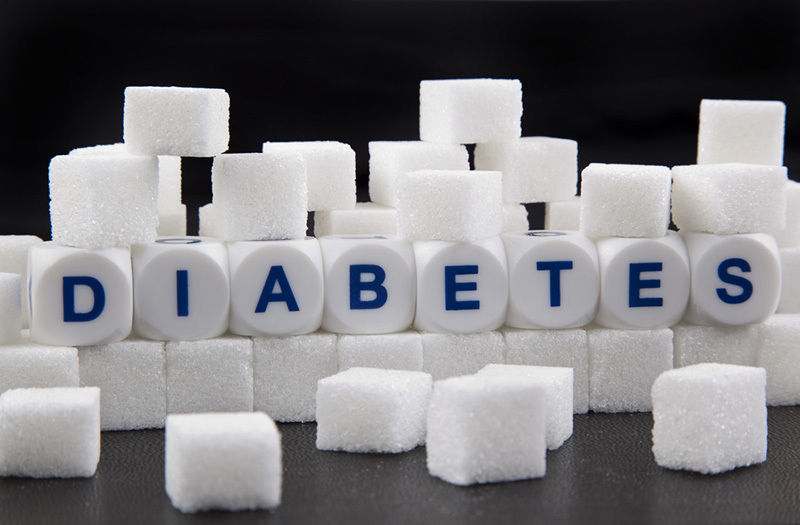
Diabetes is a health issue that is becoming more common in Irish people. As our lifestyles change and we spend less time exercising, obesity increases and diets remain high in sugars and fats. However, having diabetes does not mark the end of enjoyable meals. With a little planning and some creative thinking you can incorporate all the flavours and aromas food has to offer into a diet filled with delicious and healthy options.
What is diabetes?
Diabetes is a long term condition caused by too much glucose (a type of sugar) in the blood. This means that glucose (which gives us energy), in the blood cannot be used properly to produce that energy due to the lack of the pancreatic hormone, insulin. The glucose then accumulates in the blood and the urine. This causes health problems if left untreated.
Our bodies make glucose in the liver when we eat carbohydrate / starch foods (bread, cereals, and potatoes), sugar, and sweet foods. The glucose then passes from the liver into the blood stream. Insulin helps glucose enter the cells in the body.
Symptoms of untreated diabetes include:
- Feeling very thirsty
- Going to the toilet a lot
- Extreme tiredness
- Blurred vision
- Weight loss
If you have any questions or worries about your health, or if you think you might have diabetes, talk to your doctor or health care professional.
Type 1 diabetes
This type of diabetes is insulin dependant diabetes. If you have Type 1 diabetes, the pancreas is unable to produce insulin. Blood glucose must then be controlled by diet and insulin injections. Management of this type of diabetes can be difficult to manage and it is important that you work closely with yout doctor and members of your diabetes care team. High blood glucose levels also known as Hyperglycemia or Hyper.
You will notice that your blood glucose level may be higher if you:
- Are not taking enough insulin
- Miss or forget to take your insulin
- Eat more carbohydrate foods than usual
- Are stressed
- Have an illness such as a cold or flu
Low blood glucose levels also know as Hypoglycaemia or Hypo. You may notice that your blood glucose levels are low if:
- You take too much insulin
- Eat less carbohydrate than usual
- Leave too long between meals
- Do more activity that usual
- Following alcohol
It is important that you learn your particular warning signs and know what action to take. Symptoms may include:
- Feeling sweaty or cold
- Trembling or feeling weak
- Feeling irritable upset or angry
- Inability to concentrate
- Drowsy or difficulty in waking up
When you develop type 1 diabetes it is necessary to take insulin injections. You will learn about how to do this from your diabetes nurse. They will instruct you about where and when to take your insulin. Insulin pens are the most common delivery device used.
Type 2 diabetes
Type 2 diabetes is non insulin dependant diabetes. If you have Type 2 diabetes, the pancreas is not producing enough insulin or the insulin it is producing is not working properly. Type 2 diabetes used to be associated with older adults, however it is now also seen in children and young adults. It is associated with a lack of physical activity and poor diet. Type 2 diabetes can often be prevented or delayed with lifestyle changes, namely healthy eating and increased physical activity. Find out more about diabetes here.
Your doctor or health professional will decide on the best treatment to keep your blood glucose under control.
Leading a healthy lifestyle is key
Eating healthily to manage diabetes
Research has shown that having a healthy diet plays a key part in managing and living with diabetes. People with diabetes are not advised to go on a ‘special diet’ but rather to develop a healthy lifestyle that includes eating healthily.
It is important to stress that this is not a prescribed diet for a short period of time, but rather a change in dietary habits for life.
Visit the Healthy Eating section of our website to learn more.
Practical advice
- Regular meals and snacks should be eaten. Read the facts on snacks for tips on choosing healthy snacks.
- Carbohydrate (starchy food from the bottom shelf of the food pyramid) should form the main part of each meal and consistent amounts of carbohydrates should be eaten.
- Protein foods (second shelf from the top of the food pyramid) should form a small portion of each meal. When eating meat, choose lean cuts where possible.
- High fat foods should be limited. Try to use low fat products and avoid frying. Grill, roast and boil instead. Read the facts on fats.
- Alcohol intake should be kept within recommended guidelines. This is: 21 standard drinks for men and 14 standard drinks for women per week. One standard drink equals a glass of lager, a glass of wine, or a measure of sprits. Find out more about alcohol and safer drinking.
- 5+ portions of fruit and vegetables (second shelf from the bottom of the food pyramid) should be included in your daily diet.
- Read the foods labels to get in the know about what you eat. Find out more about food labels.
- Watch your portion size. Use a smaller plate. You’ll eat less!
- Increase your physical activity — get fit! Find out more about getting fit, motivation and exercise tips here.
Find out more about diabetes and a healthy lifestyle
- HSE Diabetic factsheet
- Irish Nutrition and Dietetic Institute
- Diabetes Federation of Ireland
- Diabetes UK
This information was provided by the Community Nutrition & Dietetic Service of the Health Promotion Department, HSE Dublin North East.
Disclaimer: Your doctor/health professional will decide on the best treatment to keep your blood glucose under control.
Feeling overwhelmed and want to talk to someone?
- Get anonymous support 24/7 with our text message support service
- Connect with a trained volunteer who will listen to you, and help you to move forward feeling better
- Whatsapp us now or free-text SPUNOUT to 50808 to begin.
- Find out more about our text message support service
If you are a customer of the 48 or An Post network or cannot get through using the ‘50808’ short code please text HELLO to 086 1800 280 (standard message rates may apply). Some smaller networks do not support short codes like ‘50808’.
Related articles
- General
- Factsheet
Do I need health insurance in Ireland?
Written by: spunout
Find out how the Irish healthcare system works, and what you need to know if you're considering private health insurance
- General
- Factsheet
What to do if you have symptoms of COVID-19
Written by: spunout
If you experience any symptoms of COVID-19, it's important to self-isolate to avoid spreading the virus to others.

- General
- Factsheet
How to talk to your family about the COVID-19 vaccine
Written by: spunout
When having discussions about COVID-19 vaccination, respect, empathy and patience are key.
Our work is supported by