Panic Attacks
Panic attacks explained
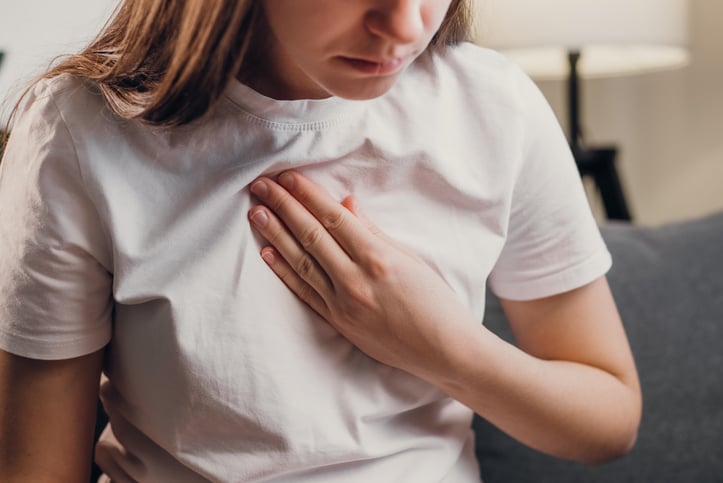
A panic attack is a sudden and intense episode of anxiety. Experiencing feelings of fear and anxiety is a common response to stressful or dangerous situations, but panic attacks are more sudden, intense and overwhelming. Panic attacks, which affect just over 14 per cent of people in high-income countries, can make you feel like you’re losing control, having a heart attack, or even dying.
Panic attacks can take different forms for different people, but they all share two important features in common: they eventually pass and they don’t pose any immediate threat to your physical health. Though often terrifying in the moment, with the right help and support, you can manage and even eliminate them.
Signs and symptoms of panic attacks
You may find that you recognise some of the symptoms listed below. Keep in mind, everyone experiences panic attacks differently, so you might have some, all, or none of these symptoms:
Emotional symptoms
- Sudden increase in anxiety
- Intense fear, such as impending doom or death
- Things feel unreal or you feel separate from your body
- Fear of losing control
- Feeling disoriented
Physical symptoms
- Pounding or racing heartbeat
- Shaking
- Pins and needles
- Chills
- Trouble catching your breath
- Fast and shallow breathing
- Nausea
- Tight muscles
- Tingling or numb hands
- Dry mouth
- Sweating
- Dizziness
- Chest pains
What causes a panic attack?
Anyone can experience a panic attack, but they are more common among women and often start in a person’s late teens or early 20s. Symptoms usually peak about ten minutes into an attack, but the emotional effects can linger for hours. Some people have only one panic attack, while others may experience them repeatedly.
If you are having panic attacks, you might not yet understand why. Panic attacks can occur in everyday situations, like riding a train or using a public bathroom. Triggers can include stressful situations, activities that produce intense physical reactions (like drinking too much coffee or heavy exercise), or physical changes associated with changing environments or becoming ill.
A panic attack can be triggered by a mix of factors, and these factors can overlap, meaning several things might combine to cause an attack. While the exact causes vary for each person, high stress levels are often a major contributor. Stress can stem from many different sources, like losing a loved one, problems at work or school, breakups, or family issues.
A person’s risk of experiencing panic can increase when:
- You’re dealing with a situation that feels challenging or threatening
- You’re struggling with uncomfortable feelings linked to that threatening situation
- You have other phobias or intense fears that might trigger a panic attack
- Someone in your family experiences (or has experienced) panic attacks
Although panic attacks can occur in response to a perceived threat, they can also happen without any clear cause or trigger. Understanding your personal triggers can make it easier to identify the root cause of your panic. Speaking with a therapist or doctor can offer more insight into your specific situation.
What is panic disorder?
If you’re experiencing panic attacks frequently or constantly fear the onset of an attack, you may have panic disorder. Typically, people will only have one or two attacks in their lifetimes and feelings of panic will subside when the stressful situation has ended. People who experience more frequent, unexpected panic attacks and spend long periods of time fearing another attack may have panic disorder. According to the Northern Ireland Youth Wellbeing Survey, involving 3074 children and young people aged 2-19, panic disorder affects approximately 6.76 per cent of children and young adults.
How to cope with panic attacks
Many people who experience panic attacks find that practising mindfulness-based techniques, such as grounding exercises and breathing exercises, can be helpful over time. For more information on breathing techniques, like diaphragmatic breathing and alternate nostril breathing, check out our article on how breathing exercises can support anxiety management.
However, if you are experiencing high levels of anxiety, it may be important to seek professional help in addition to using these strategies. A mental health professional can work with you to identify the potential causes of your panic and develop long-term coping strategies.
For more information on treatment options, see our factsheet on how to manage panic attacks.
Feeling overwhelmed and want to talk to someone?
- Get anonymous support 24/7 with our text message support service
- Connect with a trained volunteer who will listen to you, and help you to move forward feeling better
- Whatsapp us now or free-text SPUNOUT to 50808 to begin.
- Find out more about our text message support service
If you are a customer of the 48 or An Post network or cannot get through using the ‘50808’ short code please text HELLO to 086 1800 280 (standard message rates may apply). Some smaller networks do not support short codes like ‘50808’.
Related articles
- Anxiety & Stress
- Factsheet
What is anxiety?
Written by: spunout
Symptoms, causes, and the difference between anxiety and an anxiety disorder.
- Getting Help
- Factsheet
How to get mental health treatment in Ireland
Written by: spunout
There are many routes through the healthcare system, it's not one size fits all.
- Self Care
- Factsheet
How to prepare for bad mental health days
Written by: spunout
Looking after your mental health on good days can help make the bad days easier to deal with
Our work is supported by