
How harmful is second hand smoke?
Spent all night in the smoking area? Find out what it does to your body
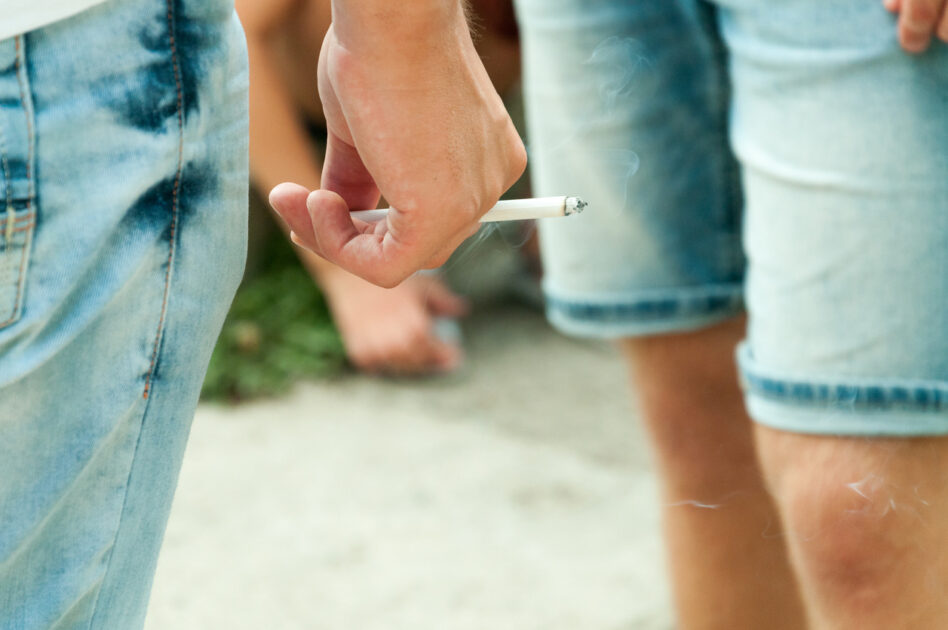
Passive smoking or second hand smoking is the breathing in of the second-hand smoke produced by other people’s cigarettes. Only 15% of smoke from a cigarette is inhaled by the smoker. The other 85% goes directly into the air and is known as second hand smoke.
What is second hand smoke?
Second hand smoke is a combination of mainstream smoke, which is the smoke inhaled and then breathed out, and sidestream smoke, which is the smoke coming from the burning tip of the cigarette.
Tobacco smoke contains thousands of different chemicals (including cancer causing chemicals), which are released into the air as particles and gases, and many of these toxins are present in higher concentrations in sidestream smoke than in mainstream smoke.
What are the effects of second hand smoke?
Second hand smoke causes:
- Wheezing, coughing, colds, earaches and asthma attacks
- Clothes and hair to stink of stale tobacco
- The same poisons floating around in your air as found in the air around toxic waste dumps
- Second hand smoke kills at least one person every week in Ireland
There are both short-term and long-term effects of second hand smoke.
In the short-term
Exposure to second hand smoke leads to immediate problems such as irritation of the nose, eyes or throat, coughs, nausea, dizziness and headaches.
In the long-term
Consequences are much more serious. Second hand smoking contributes to the development of lung cancer, heart disease and stroke.
As they grow older, children are almost three times more likely to start smoking if their parents do.
READ: Learn all there is to know about social smoking
How do I ask people not to smoke around me?
It’s not always easy to avoid second-hand smoke. Especially if you’re afraid of offending someone by asking them not to smoke around you. It might feel a little uncomfortable at first but it’s worth it in the long run.
Be clear from the beginning
Let the person know that you don’t like people smoking around you. Most people will appreciate your honesty and won’t mind smoking somewhere else. You could always give a not so subtle cough, and see if they notice. If that doesn’t work simply ask them if they would move somewhere else while they smoke their cigarette, or tell them that you are moving somewhere else until they are finished.
Set down boundaries
If you live with smokers, set down boundaries and ask that they only smoke outside the house, or keep it to one room. Stick to it at all times, because if you let people smoke around you sometimes they will continue to do so. Set down the smoking rules from the very beginning to avoid mixed messages.
Try to be patient, but put your health first
Remember that smoking is a nicotine addiction and it’s much harder to stop than you might think. So have a little patience with the people around you, but remember that you have a right to put your own health first.
Get help and support to QUIT smoking
- Talk to your GP or pharmacist.
- Visit Quit.ie for tips on how to stop smoking.
- Call the Quitline on Freephone 1800 201 203 to talk to someone who understands and can help you quit.
- Head to the Quit.ie Facebook page to read stories from others who have quit smoking and to share your own.
- Check out SpunOut.ie’s articles about giving up cigarettes.
Disclaimer: There is more than one way to quit smoking. You may need to try a few different things to find what is right for you. For advice and support on quitting, visit SpunOut.ie/QUIT
Related articles
- Smoking
- Factsheet
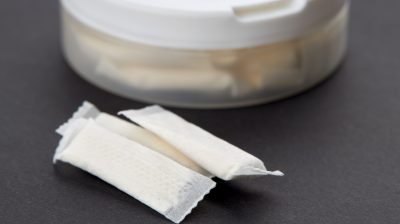
What are nicotine pouches (snus)?
Written by: spunout
Nicotine pouches are a smokeless nicotine product that are placed inside the mouth, between the lip and gum or cheek
- Smoking
- Factsheet
Vaping demystified in a non-judgmental way
Written by: spunout
spunout has created a series of factual, non-judgmental resources about vaping and its effects so you can make informed decisions about your health
- Smoking
- Factsheet
How to reduce how much you vape
Written by: spunout
If you vape and want to stop, but don’t feel like you can to quit right now, you may have a desire to reduce how much you vape
Our work is supported by