The risks and effects of heroin
Aka: Smack, gear, H, skag, junk, brown, horse, china white
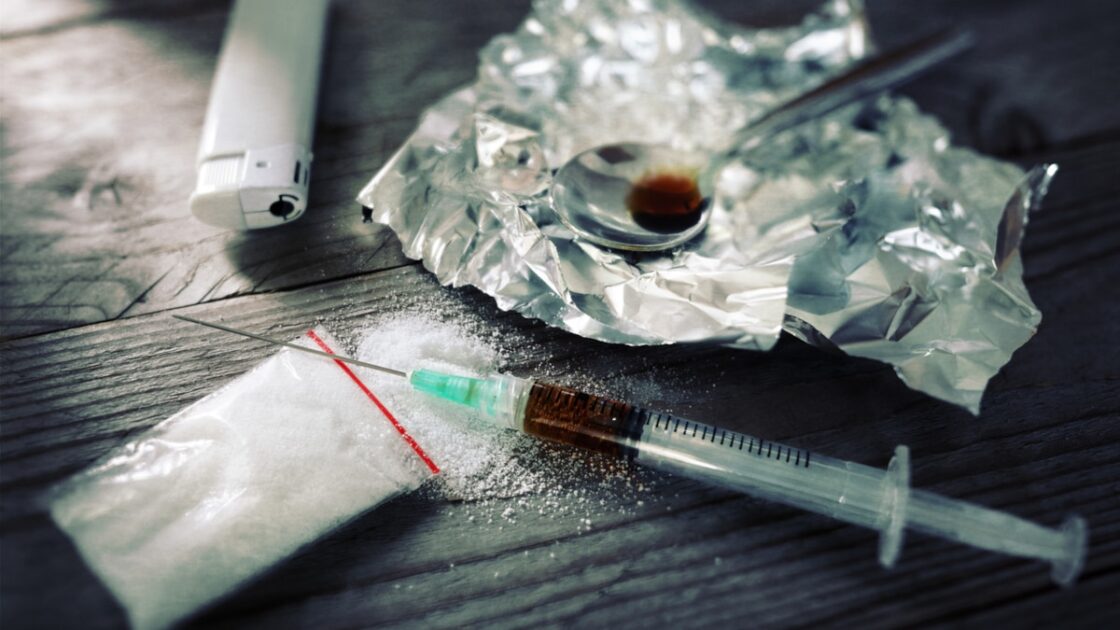
Heroin, the street name for the illegal drug diamorphine, is a opiate, or pain-killing drug. It is made by chemically altering morphine, a painkiller that is often given to patients in hospital settings. Morphine is extracted from opium poppies.
It can be smoked, sniffed or dissolved in water and injected, depending on the type of heroin you get. In Europe, heroin commonly comes in two forms; brown heroin and white heroin.
Street heroin is typically less than 50% pure. As it is made illegally, the purity can vary widely, which contributes to overdose deaths. Heroin, along with cocaine and alcohol, is one of the most addictive substances in the world. Along with being highly addictive, the drug poses many risks, including overdose and death.
What is brown heroin?
‘Brown heroin’, an off-white or brown powder, is the form most commonly found in Ireland. The colour is not consistent and brown heroin is often made of ‘base’ mixed with other substances, ranging from other chemical sedatives to powdered paracetamol.
It becomes a vapour when it is heated so is often smoked out of foil. It can also be snorted, but this is less common. As brown heroin does not dissolve in water, it is less straightforward to inject. In order to inject it, users have to add an acid, such as citric acid, to turn it into its ‘salt’ form.
What is white heroin?
Heroin hydrochloride, more often known as ‘white heroin’ or ‘China white’, is occasionally found in Europe but is less common. Similar to brown heroin, it is often cut with other substances. It dissolves in water, so can easily be injected. It can also be snorted. It is less suitable for smoking than brown heroin.
How does it work?
When heroin enters the body, it is converted into morphine in the brain. The morphine attaches itself to parts of the brain that control pain signals (opioid receptors). Receptors are like tiny docking stations that catch neurotransmitters, chemical messengers in the brain that carry information between cells.
The morphine stops these receptors from sending pain signals, which is why both heroin and prescription opioids are known to limit pain in the body.
Opioids can also override parts of the brain that limit the amount of dopamine, another neurotransmitter or chemical messenger, that can be experienced at one time. This makes users feel happy and reinforces the drug-taking behaviour in the brain, which is part of what makes it addictive.
What are its short-term effects of heroin?
Using the drug slows one’s breathing and causes an intense, peaceful high. Users may feel an initial euphoric ‘rush’ when they take heroin followed by a cosy, dream-like state that can last for a few hours. Injecting will produce a more intense and immediate high than snorting or smoking it.
Some people can experience nausea and vomiting, especially the first few times they use heroin. It also causes intense constipation.
What are the risks of taking heroin?
Heroin use comes with many risks due to the inconsistency of purity, modes of use such as injection, how it slows down parts of the body (depressant effects) and more.
Overdose risk
Larger doses of heroin can lead to drowsiness and slowed breathing, which can lead to overdose, coma and death. Users who are overdosing may become entirely non-responsive or may lose consciousness. If they are speaking, their speech may be slurred, and they may be pale and clammy to touch. There is also a risk that someone using heroin may lose consciousness, vomit and then choke on their own vomit, which can lead to death.
There are a few factors that can contribute to heroin overdose. Users will build up a tolerance with regular use, but this tolerance can drop off quite quickly with any kind of pause. Users may then go to take the dose they assume they can handle, only for it to overwhelm them, leading to overdose. The purity of heroin also varies a lot because it is produced illegally, so purer batches of heroin can lead to overdose and death among users.
Heroin overdoses are more likely if it is mixed with other drugs that also slow breathing, including alcohol, benzodiazepines and GHB.
If you or someone you know takes an overdose, it is important to monitor them and call emergency services if they become unresponsive. Learn more about how to deal with a drug emergency here.
Risk of infection
Sharing needles when injecting heroin leaves users at risk of infection, e.g. Hepatitis B and HIV from contaminated needles, syringes and other injection equipment with other users. If you do inject, it’s really important that you inject it as safely as possible. Check out Merchant Quay’s guide to safer injecting.
Is heroin addictive?
Heroin is both physically and psychologically addictive. Users can quickly develop a physical tolerance for heroin, which means they will need more and more to produce the same effects.
Many heroin users also become psychologically addicted to the drug as a way to self-medicate or escape their problems. Many people who use heroin have suffered significant trauma in their life, may have mental health problems, and may come from a disadvantaged, chaotic background or abusive family home. People often use heroin to try to escape or cope with painful life experiences, and these people may not have many other ways to cope with their experiences.
If you think you may have a dependency problem with heroin, or any drug, help is available. Find out more about getting help for addiction here.
Withdrawal
Regular, repeated use of heroin will lead to physical drug dependency, which means that users will experience withdrawal symptoms if they suddenly stop taking it.
Symptoms of withdrawal include diarrhoea, sweating, depressed mood, cravings for heroin, stomach cramps, nausea, vomiting, irritability, anxiety, chills and feelings of extreme discomfort and ill ease. These symptoms can start between eight and 24 hours after a user’s last dose.
The intensity of heroin withdrawal is part of what feeds the cycle of addiction, as users find it very difficult to cope with its effects. This is why drugs such as methadone are often used to help minimise these side effects while users are coming off of the drug.
Heroin and the law
Heroin is controlled by the Misuse of Drugs Act. It is illegal to possess it unless prescribed by a doctor and supplied by a pharmacist. It is an offence to import, distribute, produce or sell it. Learn more about drugs and the law and your rights.
Supports and Services
- Drugs.ie: Online information and support for drug and alcohol use. Includes a national directory of drug and alcohol services
- HSE Drugs, Alcohol, HIV and Sexual Health Helpline: Freephone 1800 459 459.
- Find a local service through the National Directory for Drug and Alcohol Services at Drugs.ie
- You can contact Youth Information Chat, an online service that can put you in touch with Youth Information Officers based all around the country, for more general information
Feeling overwhelmed and want to talk to someone?
- Get anonymous support 24/7 with our text message support service
- Connect with a trained volunteer who will listen to you, and help you to move forward feeling better
- Whatsapp us now or free-text SPUNOUT to 50808 to begin.
- Find out more about our text message support service
If you are a customer of the 48 or An Post network or cannot get through using the ‘50808’ short code please text HELLO to 086 1800 280 (standard message rates may apply). Some smaller networks do not support short codes like ‘50808’.
Related articles

- Drugs
- Factsheet
What to do if you are dependent on drugs
Written by: spunout
There is help and support out there for people who are experiencing drug dependency

- Drugs
- Factsheet
How to help a friend in a drug emergency
Written by: spunout
If you choose to take drugs, it is important that you know how to respond in the event of an overdose or other drug emergency.

Share your story for SpunOut.ie’s drug use safety campaign
Written by: spunout
SpunOut.ie is looking for anyone aged 16-25 who wants to help open up conversations about drug use in Ireland
Our work is supported by