What is cannabis?
Cannabis is a psychoactive drug that comes from a plant. Some people refer to cannabis as weed or marijuana, among other names.
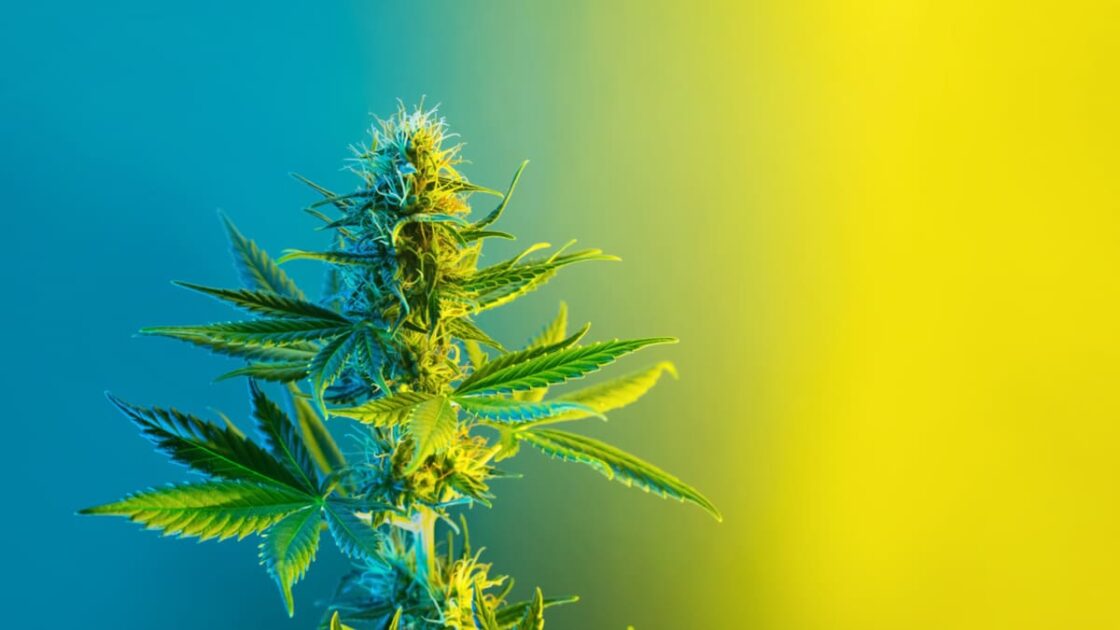
Cannabis is a psychoactive drug that comes from a plant. Some people refer to cannabis as weed or marijuana, among other names. When someone is ‘stoned’ or ‘high’, it usually means they are feeling the effects of cannabis.
Cannabis can be smoked (in a pipe, a bong, or rolled with tobacco as a spliff or joint) or eaten, usually baked into cakes or added to sweets. When smoked, the effects are pretty instant; in minutes. These may last up to one hour with low doses and for two to three hours with high doses. When eaten, the effects of cannabis take longer to be felt; normally around an hour.
What are the short-term effects of cannabis?
The way a person reacts when they smoke weed can be different for everyone and depends on the dose.
You can have very different experiences while smoking weed depending on the type you take and how much.
- Feeling stoned can leave you feeling relaxed and heavy, whereas feeling high can make you feel giddy and energised.
- You can get cravings for food called “the munchies” and it feels like you can’t get enough food.
- Other people might have unpleasant reactions, including fearfulness, confusion and panic and anxiety.
- On occasion, users may become pale, shaky and nauseous and may even vomit. This is sometimes called ‘going green’ or ‘pulling a whitey’.
- Cannabis may also, in some users, lead to a sudden drop in blood pressure and fainting spells.
- Many people also have a heightened awareness of sound, colour and textures, or they may have a light-headed floating sensation. Things like music or TV might suddenly seem fascinating and unusually moving.
Usual doses of cannabis may also interfere with short-term memory and learning ability, as well as coordination, leaving manual skills impaired. Moderate doses may interfere with clarity of speech.
Taking too much cannabis
It is possible to take too much cannabis in one dose and have a bad experience, but serious catastrophic health outcomes rarely, if ever, happen.
If you or a friend has consumed too much cannabis, it is important to try and remember that the effects will go away with time.
Here is what you can do if someone has consumed too much cannabis:
* Calm the person down and reassure them
* Talk quietly and explain these feelings will pass
* Keep them away from bright lights and loud noises
* Encourage them to breathe deeply and slowly in order to prevent hyperventilation
Cannabis and addiction
It is possible to grow psychologically dependent on cannabis, though the substance itself is not physically addictive.
People who smoke weed regularly might find it difficult to cope without it and may end up self-medicating with it to deal with anxiety, insomnia, low mood and depression. Using a substance to cope with these kinds of feelings instead of reckoning with the root cause can negatively impact your mental health in the long term.
If you think you might be dependent on drugs, there are a number of services that can help. Find a service near you here or contact the Drugs Helpline on 1800 459 459 to find out about options in your area.
What are long-term effects of cannabis?
Using cannabis consistently can have various effects on your mind and body in the long-term, and there are some risks associated with frequent and continuous use.
Damage to throat and lungs
Like cigarettes, smoking cannabis can damage your throat and lungs. It may cause chronic bronchitis, coughing, hoarseness, and other respiratory problems similarly associated with tobacco smoking.
Mental health problems
Users may undergo temporary, and in a small percentage of cases, severe psychological distress and confusion. Heavy use amongst those with a mental illness may make their condition worse.
There is evidence to suggest that using cannabis heavily and from a young age is associated with increased chance of developing depression or anxiety disorders later in life.It has also been suggested that there may be a slightly increased risk of developing schizophrenia in those who started using cannabis at a young age (under the age of 18).
As with all drugs, it appears that risk increases with use, so someone who uses cannabis daily may be more likely to suffer side effects than someone who only uses it occasionally.
A lack of energy
Users may appear to lack energy and perform poorly at work or education if they smoke cannabis too often. Your mind may feel clouded or fuzzy, even when not under the influence, with very frequent use.
Occasionally, consumption of weed, particularly in very high doses, can lead to a hangover-type feeling the next day. This can present with a similar feeling of being clouded, fuzzy, or lacking energy.
Fertility problems
Among the other known or suspected long term effects of continuous cannabis use are decreased sperm count and sperm mobility, interference with ovulation and prenatal development and impaired immune system response.
Cannabis and anaesthesia
Cannabis can interact with common surgical anaesthetics and can lead to complications during surgery. On occasion, regular cannabis users can also require more anaesthetic than non-users.
It is important that if you are a regular cannabis user, you inform your doctor or surgeon in advance of any kind of procedure, and that you avoid taking any substances, cannabis included, as long as possible before surgery. Anything you tell a medical professional will be in complete confidence and you will not be prosecuted if you disclose drug use to a doctor.
Effects on cognition and memory
There is some evidence that those who smoke cannabis very heavily and start before the age of 25, when the brain is still developing, have worse results on intelligence tests and are likely to leave school earlier.
However, some researchers aren’t sure whether cannabis is directly the cause or is merely associated with this. There is other evidence to suggest that young people from disadvantaged backgrounds are more likely to smoke cannabis, and that this disadvantage may be what affects test scores and educational attainment, not the drug itself.
What does the law say about cannabis?
All cannabis products are controlled by the Misuse of Drugs Acts. Cannabis is included in Schedule 1, which prohibits its medical and non-medical use. Learn more about drugs and the law and your rights.
It is therefore illegal to grow, produce, supply or possess any of the drugs, except in accordance with a licence from the Minister for Health for research or analysis. It is also an offence to allow your home or accommodation to be used for cultivating, supplying or smoking cannabis.
In some countries, it is legal to purchase, possess, and use cannabis. There have been attempts to decriminalise cannabis in Ireland, and there could be new legislation in the future that would make it legal to use cannabis. For now however, it is still illegal.
In December 2020, simple possession of cannabis for personal use was added to An Garda Síochána’s Adult Cautioning Scheme. An adult caution is a warning issued by Gardaí for minor offences that allows those arrested to avoid conviction.
Adult cautions are also not disclosed in Garda vetting reports or police certificates. Adult cautions are handed out at the discretion of Gardaí, meaning that there is no guarantee that you will be given a caution if you are arrested for simple possession of cannabis.
Support services
- Drugs.ie: Online information and support for drug and alcohol use. Includes a national directory of drug and alcohol services
- HSE Drugs, Alcohol, HIV and Sexual Health Helpline: Freephone 1800 459 459.
- You can contact Youth Information Chat, an online service that can put you in touch with Youth Information Officers based all around the country, for more general information
Feeling overwhelmed and want to talk to someone?
- Get anonymous support 24/7 with our text message support service
- Connect with a trained volunteer who will listen to you, and help you to move forward feeling better
- Whatsapp us now or free-text SPUNOUT to 50808 to begin.
- Find out more about our text message support service
If you are a customer of the 48 or An Post network or cannot get through using the ‘50808’ short code please text HELLO to 086 1800 280 (standard message rates may apply). Some smaller networks do not support short codes like ‘50808’.
Related articles

- Drugs
- Factsheet
What to do if you are dependent on drugs
Written by: spunout
There is help and support out there for people who are experiencing drug dependency

- Drugs
- Factsheet
How to help a friend in a drug emergency
Written by: spunout
If you choose to take drugs, it is important that you know how to respond in the event of an overdose or other drug emergency.
Our work is supported by