
What are the effects of amphetamines (speed)?
Learn more about the short and long-term effects of taking amphetamines, the stimulant drug also known as speed
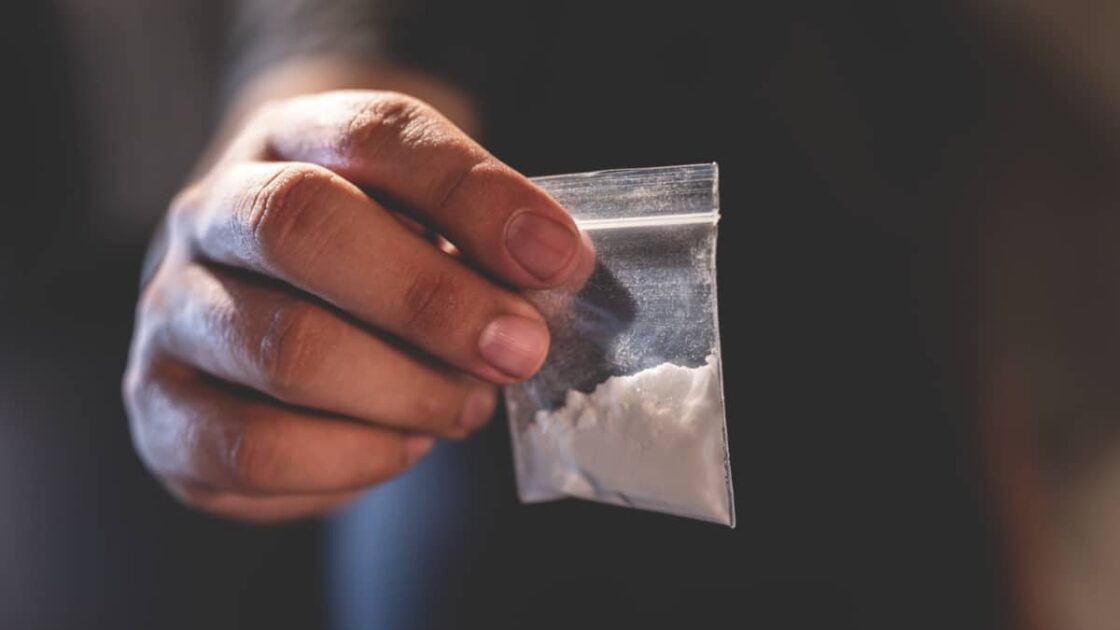
Amphetamine sulphate, also known as speed, is a drug that usually comes in powder or tablet form. It may be taken by mouth, dissolved in water, injected, sniffed up the nose, smoked, or can be swallowed when the powder is wrapped in a cigarette skin.
Amphetamines are sometimes prescribed legally by medical professionals for a variety of conditions including ADHD, narcolepsy and more. There are various different types of amphetamines sold under different brand names, including:
- Laevo or dl-amphetamine (Benzedrine)
- dextroamphetamine (Dexedrine)
- Methylamphetamine (Methedrine), also known as crystal meth
Speed usually comes in the form of an off-white or even pinkish powder. It has a strong, bitter taste and gives off a smell often compared to ammonia, sweat or urine.
It can also come in a putty or paste form sometimes called ‘base’. Base amphetamine is often stronger than powdered amphetamine, though as with all drugs, purity and content are never consistent due to the fact that they are illegally manufactured.
How does speed work?
Speed is a central nervous system stimulant that encourages the release of dopamine, a neurotransmitter or chemical messenger, in the brain. Dopamine is associated with feelings of pleasure and reward, which is why it makes users feel good.
The short-term effects of speed
The effects of amphetamines tend to set in about 30 minutes after taking the drug.
Amphetamine is a stimulant, also known as an ‘upper’. It quickens the heartbeat, and users may experience increased confidence, sociability and energy levels. Users may feel more excited, more awake and more talkative when they take speed.
Sometimes users feel anxious and restless and may panic and feel everyone is getting at them. Large amounts can cause panic, paranoia and hallucinations. Some people experience amphetamine psychosis, when they lose touch with reality. These effects can be made worse by sleep deprivation and insomnia often associated with use of amphetamines.
Some other common effects of amphetamines include raised blood pressure; a tense jaw and teeth grinding; sweating; restlessness; dizziness; tremors; and headaches.
Taking too many amphetamines
If you or a friend has taken too many amphetamines, the results can be distressing. In large, overdose quantities, amphetamines can be very dangerous. Here are some things to try to help a person who has consumed too much speed:
- Calm the person down and reassure them that everything is alright
- Talk quietly and explain that the panicky feeling will gradually go
- Keep them away from loud noises and bright lights
- Encourage them to breathe slowly and deeply to prevent hyperventilation
- Have them take sips of water to hydrate and cool down. If they are wearing layers, it can be wise to remove clothing to prevent overheating
If you or your friend’s condition does not improve, you may need to call emergency services. Learn more about helping a friend in a drug emergency and when to call an ambulance.
The comedown from speed
As speed wears off, people may feel very tired and depressed. The drug can also cause feelings of irritability and anxiety. Insomnia is very common and can keep users awake for days afterwards.
The comedown from taking speed can last for a couple of days, leaving users feeling tired, depressed, irritable and physically uncomfortable. When riding out the comedown from substances, it is important to stay hydrated, try to go to sleep at an appropriate time, and talk to friends or loved ones about any negative feelings that may arise. Learn more about how to cope with a drug comedown.
Amphetamine addiction
Amphetamine is addictive, both physically and psychologically. Those who are addicted to amphetamines not only crave the drug physically, but they might also find they are dependent on it to cope mentally and may not be able to imagine their life without it.
If you think you might be dependent on drugs, there are a number of services that can help. Find a service near you here or contact the Drugs Helpline on 1800 459 459 to find out about options in your area.
The long term effects of taking amphetamines
Taking amphetamines can have a number of effects on the body.
Damage to heart health
Amphetamines can damage heart health due to the effects that speed has on your heart, including increased blood pressure. There is a risk of heart failure when taking amphetamines.
Increased blood pressure can also rupture or block tiny blood vessels. If this happens in the brain, it can lead to paralysis, coma or stroke.
Risks of injecting amphetamines
Injecting can damage veins and lead to gangrene. Injection also puts users at risk of dangerous infections such as Hepatitis and HIV, from contaminated needles, syringes and other equipment.
Risks of snorting amphetamines
Snorting powders such as speed off keys, toilet cisterns or through rolled-up bills can leave users vulnerable to contracting infections such as hepatitis A or B. Avoid sharing snorting tools with other people and instead use your own designated spoon or metal tube.
Sleep problems, weight loss, and the immune system
Disruption of sleep and eating patterns may lead to weight loss and becoming very physically run down with regular use. This can reduce resistance to illnesses like colds and flus because your immune system is not working at its best.
Mental health
Heavy, regular users may become very depressed, anxious, and paranoid. Long-term use of amphetamines has been associated with an inability to feel pleasure or joy.
Some research suggests that consistent use of amphetamine can cause psychotic mental illness to develop. Those with an existing underlying mental health condition, or those with a family history of mental illness, may find that amphetamines trigger their condition.
Taking amphetamines can also make a person become more aggressive over time and they may experience mood swings.
Amphetamines and the law
The Misuse of Drugs Acts controls most of the amphetamine type drugs. Their unauthorised production, supply or possession is an offence, as is allowing premises to be used for producing or supplying the drugs. Learn more about drugs and the law and your rights.
Reducing harm when taking drugs
If you choose to take drugs, remember:
- Start with a very small test dose and wait at least two hours before taking more.
- Stay with your friends and do not leave anybody who is intoxicated on their own.
- Avoid mixing drugs and alcohol. Every time you mix drugs, including alcohol and prescription medication, you increase the risks. Consult your doctor about how your prescription medications interact with alcohol and drugs and follow physician advice when taking them.
- Stay hydrated with non-alcoholic beverages such as water, a sports drink or a soft drink. Try not to chug your drinks and stick to taking frequent sips
- If you are dancing, remember to take breaks from dancing and give yourself time to cool down.
- Don’t be afraid to get help if you or a friend become unwell or feel suicidal after using drugs. Call 112 or 999.
Support services
- Drugs.ie: Online information and support for drug and alcohol use. Includes a national directory of drug and alcohol services
- HSE Drugs, Alcohol, HIV and Sexual Health Helpline: Freephone 1800 459 459
- You can contact Youth Information Chat, an online service that can put you in touch with Youth Information Officers based all around the country, for more general information
Feeling overwhelmed and want to talk to someone?
- Get anonymous support 24/7 with our text message support service
- Connect with a trained volunteer who will listen to you, and help you to move forward feeling better
- Whatsapp us now or free-text SPUNOUT to 50808 to begin.
- Find out more about our text message support service
If you are a customer of the 48 or An Post network or cannot get through using the ‘50808’ short code please text HELLO to 086 1800 280 (standard message rates may apply). Some smaller networks do not support short codes like ‘50808’.
Related articles

- Drugs
- Factsheet
How to cope with a drug comedown
Written by: spunout
A drug comedown is a term that describes that feelings of anxiety, depression and dread that users can feel after taking drugs.
Our work is supported by